
OpenAI’s New Voice Mode, Adaptive Robotic Dogs, Shape-Shifting Robots, and More!
We have some groundbreaking news in the world of artificial intelligence to discuss, including OpenAI’s latest release and other fascinating AI developments from July 2024. Let’s dive in!
OpenAI’s Advanced Voice Mode: A Game Changer
The latest buzz is all about OpenAI’s highly anticipated advanced voice mode, now available to some paying users. This week, some lucky ChatGPT Plus subscribers finally gained access to GPT-4O’s hyper-realistic voice responses. First unveiled back in May, these voice responses amazed audiences with their uncanny resemblance to human speech.

What’s so special about this new mode? Powered by the multi-modal GPT-4o model, it enables significantly lower latency conversations compared to the previous voice solution, which relied on separate models. OpenAI even claims that GPT-4o can detect emotional intonations like sadness or excitement in a user’s voice.
To ensure responsible deployment, OpenAI extensively tested the voice capabilities with over 100 external red teamers who spoke 45 languages. They also implemented filters to prevent generating copyrighted audio or impersonating real individuals. Currently, advanced voice mode is limited to four preset voices created with paid voice actors. Though the full demo capabilities, like video, aren’t available yet, this alpha release marks a significant milestone in making AI assistance more natural and engaging.
Stay tuned for a full report on OpenAI’s safety measures coming in early August.
Socially-Assisted Robotic Dogs: A New Era of Companionship
In other exciting news, an international research collaboration is working on socially-assisted robotic dogs that adapt to people’s unique characteristics. The goal is to make these mechanical pups come alive by detecting a person’s physiological and emotional states using wearable sensors. This innovation could help combat loneliness among the elderly and assist with therapy and rehabilitation.

However, researchers face challenges in enabling commodity robot platforms to handle intensive AI processing. Ensuring sensor fusion and efficient deep learning architectures are crucial initial steps. It will be fascinating to see how this project evolves and whether robotic companion animals become viable in healthcare and home settings. These findings could pave the way for more emotionally intelligent and adaptive robots.
Shape-Shifting Robots Inspired by Origami
Engineers at North Carolina State University have created remarkable shape-shifting robots inspired by the Japanese art of origami. By assembling 3D-printed plastic cubes with a mix of fixed and motorized hinges, they enabled a single structure to transform into over 1,000 different configurations using only three motors.

These versatile transformer bots can tackle various tasks, support heavy loads, and even move without feet by altering their shape. Potential applications include deployable space robots and reconfigurable habitats for lunar or Martian missions. The researchers plan to further improve the robustness and load-bearing capacity of these structures, making the system more user-friendly for real-world applications. This nature-inspired approach to adaptable robotics could revolutionize fields like space exploration and construction.
The Rise of Biohybrid Robotics
As AI and robotics advance, a groundbreaking new field called biohybrid robotics is emerging. This discipline combines living materials like muscles and neurons with synthetic robotic components. While biohybrid robots offer unique benefits, they also pose distinct ethical challenges that require responsible development and governance.
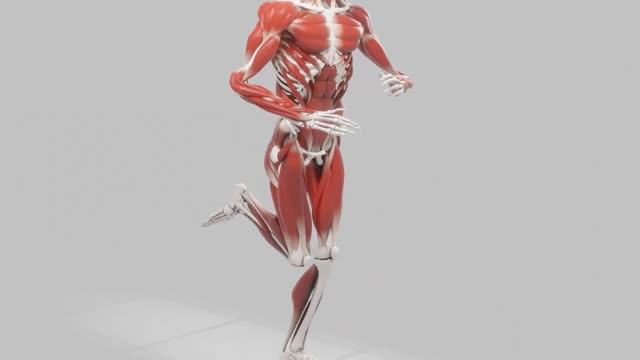
A multidisciplinary research team is calling for regulations and public discourse to guide the ethical advancement of biohybrid robotics. They identified key issues around how bio-robots interact with humans and the environment, potential inequalities from human augmentation, and questions of moral status and sentience. The researchers propose a framework for responsible research and governance, including risk assessments, consideration of societal implications, and public engagement. They emphasize the importance of including diverse perspectives to ensure the democratic and ethical development of this transformative technology.
Conclusion
And that’s all for today! From OpenAI’s hyper-realistic voice launch to advances in adaptive robotic dogs and shape-shifting robots, the field of AI is progressing at a breathtaking pace. As we celebrate these breakthroughs, it’s crucial to prioritize the responsible development and governance of powerful technologies like biohybrid robotics. By proactively addressing ethical challenges and engaging the public, we can work towards a future where AI benefits humanity while mitigating potential risks.
Here is the video of this blog:
 Merjek
Leave a comment